One Thread at a Time
I learned to weave HTML the way my grandfather learned to weave cloth. One thread at a time, by hand, knowing how every piece connected to every other piece.
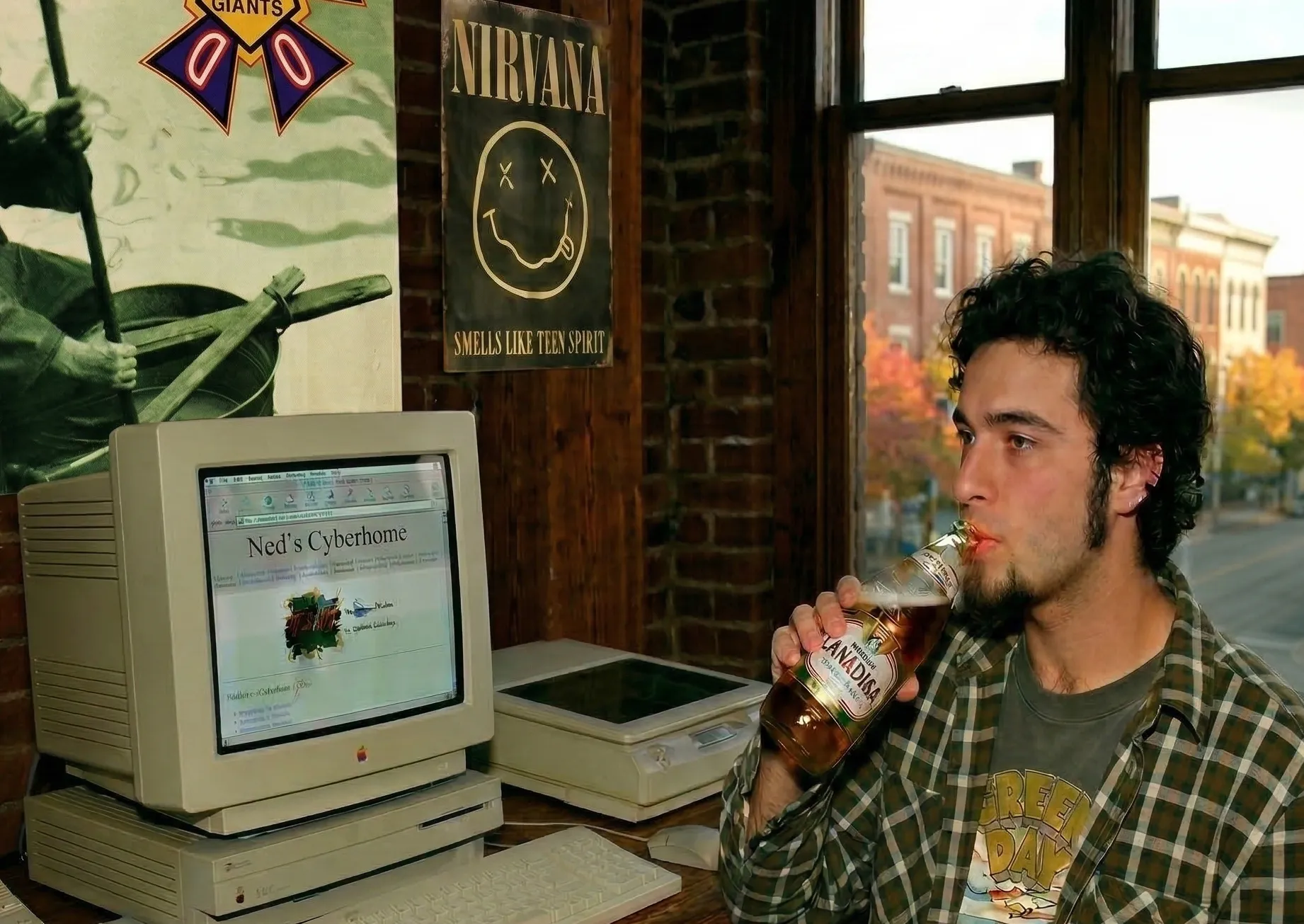
I built my first website in 1996 on a 28.8k modem in a one-bedroom apartment in Youngstown I shared with two other guys to make rent. It took three days and it was ugly as sin. I used a 40-ounce of Little Kings to celebrate and decided this was what I was going to do with my life.
Back then the web felt like something nobody owned. You got a domain, you got a host, you put your thing on it, and it was yours. Not rented. Not subject to some platform's terms of service. Yours.
The Guy Your Cousin Called
For the next twenty-eight years, I worked the web. I built sites for small businesses, local newspapers, nonprofits trying to stretch a shoestring budget into something that looked like they meant business. I was never the guy at the big agency in Columbus billing $400 an hour. I was the guy your cousin called. The guy who showed up, listened, fixed it, and charged you what you could actually pay.
I got deep into the IndieWeb early. The whole idea — that your domain is your identity, that you publish on your own site first and syndicate out to the silos, that a webmention is worth more than a like button because it's yours to keep — that wasn't just a technical preference to me. It was a philosophy.
I was good at it. Not famous. Not rich. Good.
The Call That Changed Everything
In 2025, a client I'd worked with for eleven years called to let me go. Said they were going a different direction. That direction turned out to be a $29-a-month AI subscription that could spit out a website in four minutes. The call lasted less than that.
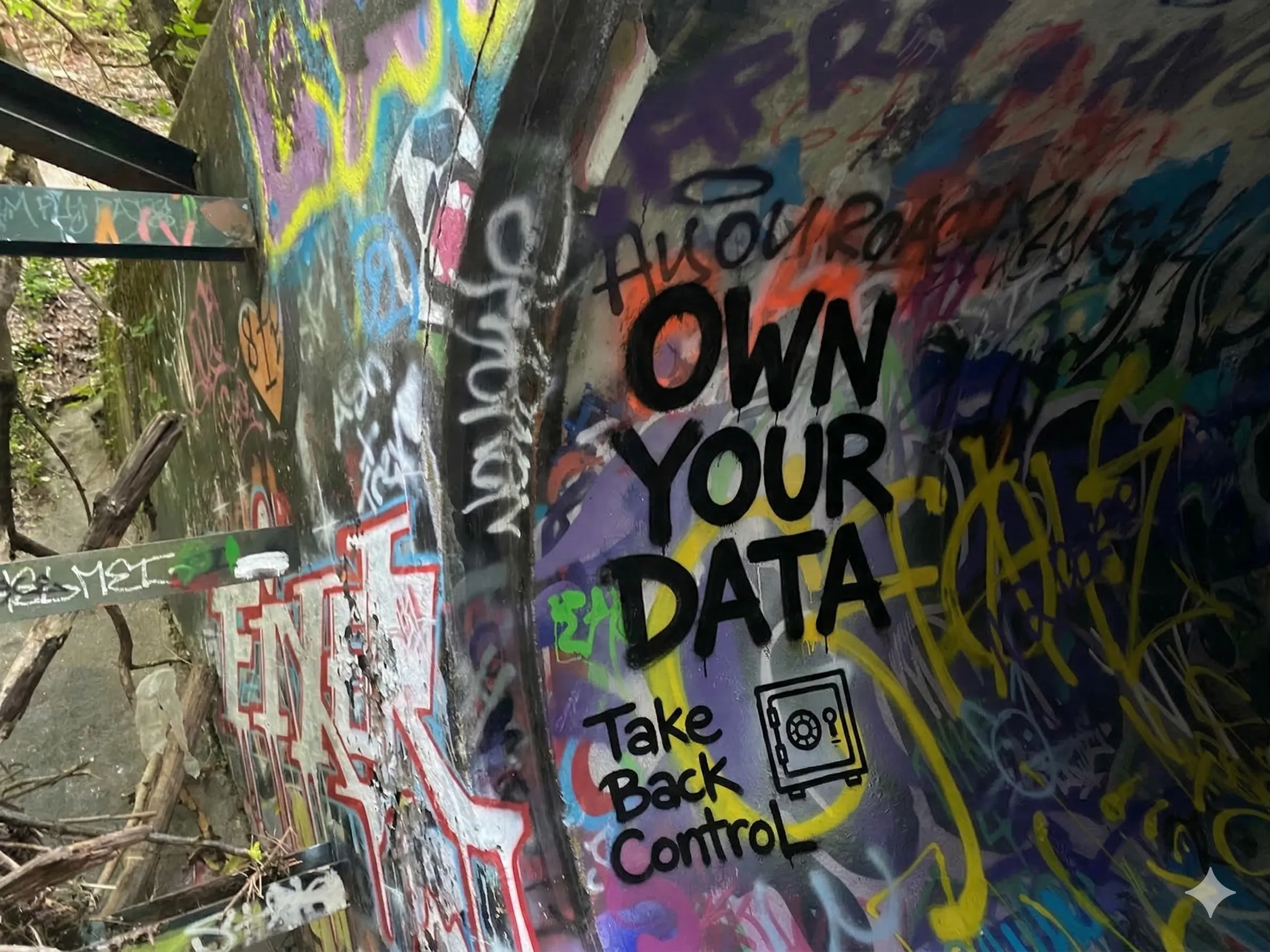
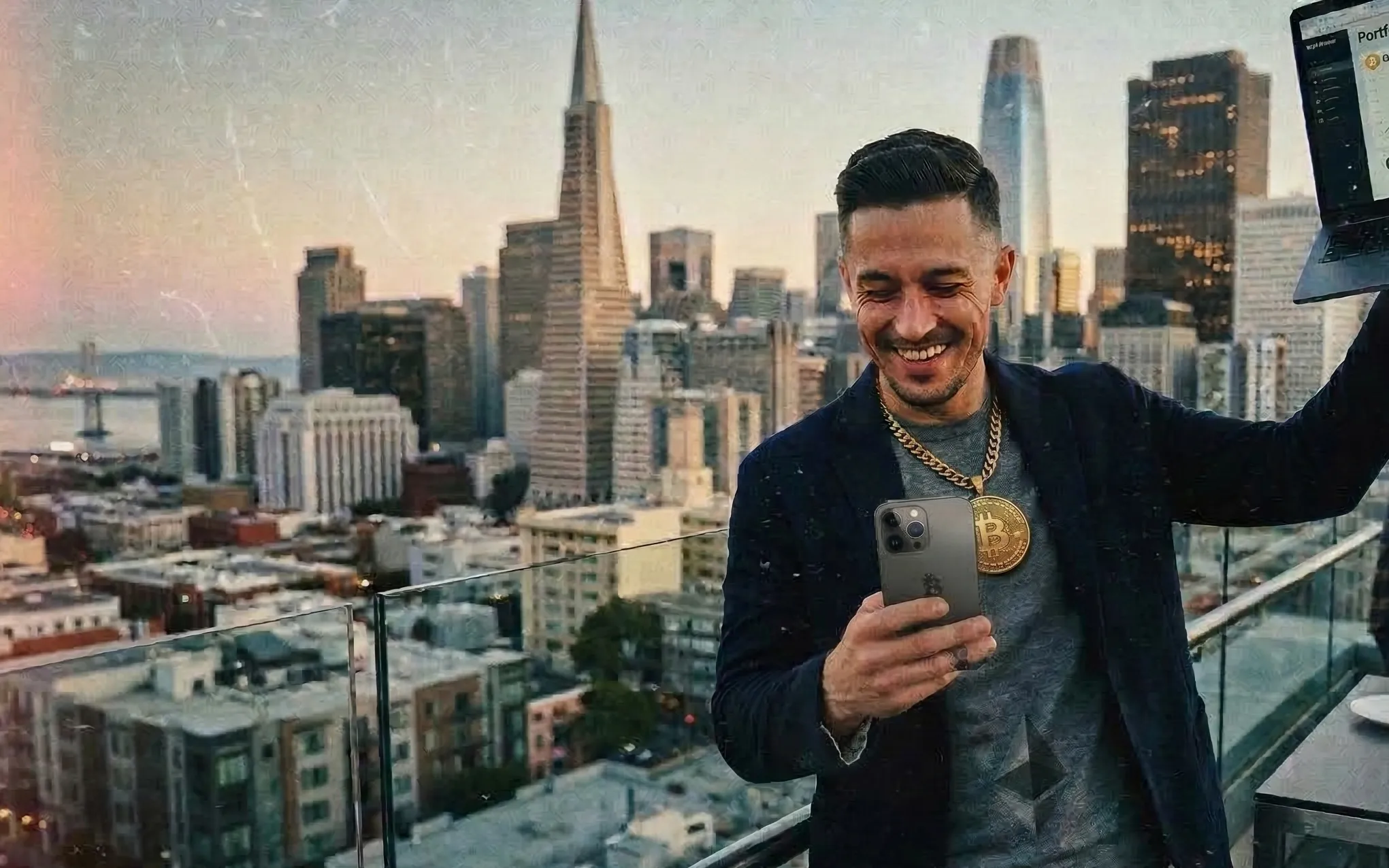
I wasn't angry at them. I understood it. The problem was never the tool. The problem was who owned the tool, who profited from it, and who got handed a pink slip while some guy in San Francisco posted record earnings.
The AI ate my work. It trained on thirty years of websites I built, code I wrote, patterns I developed, knowledge I shared openly because that's what you did in open source. And then a few companies crawled into the center of the web everyone else had spent decades spinning, wrapped it all in silk, and fed what they caught to a model they own outright.
That's not progress. That's enclosure.
Listening to Ohio
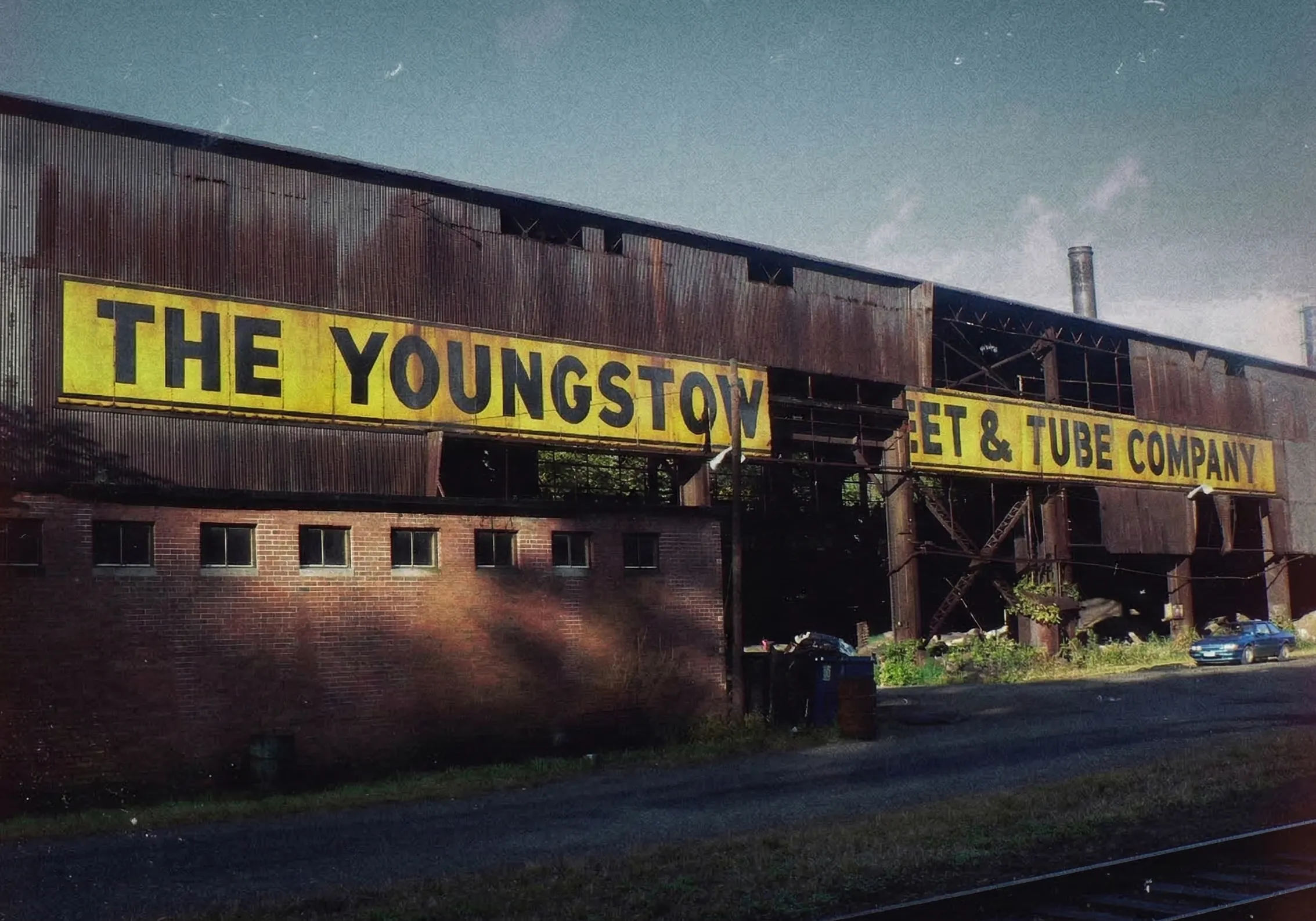
I started paying closer attention. I looked at what was happening in Youngstown, in Akron, in Dayton, in every town along I-75 that used to make things, and I recognized it. Different machines, same people running the table. The rubber jobs left Akron. The steel jobs left the Valley. Now the knowledge jobs are going the same way.
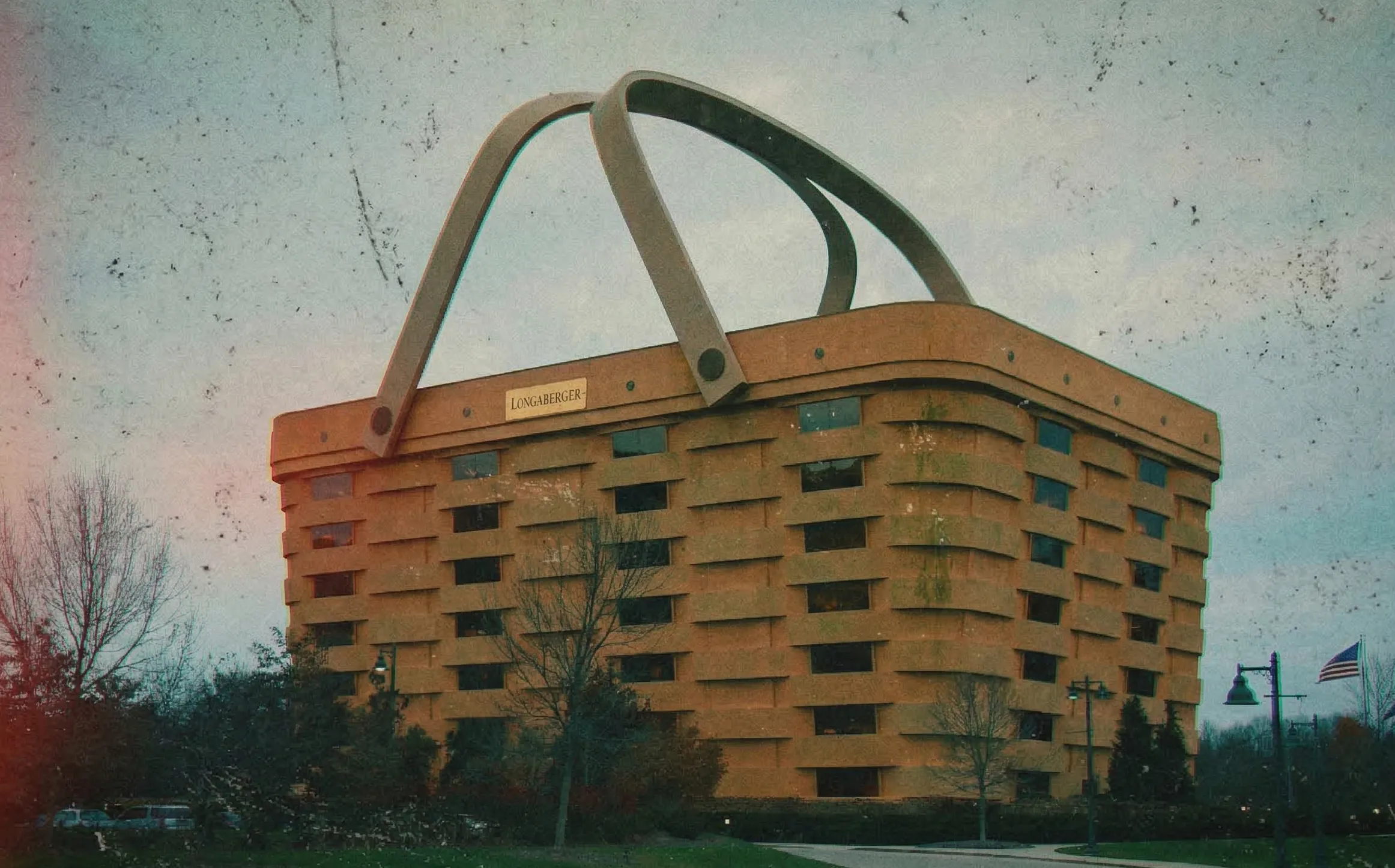
On one of those drives I came down Route 16 east of Columbus and passed the old Longaberger building — a seven-story office building shaped exactly like a giant wicker basket. Built by a guy whose father was a basket weaver. Eight thousand employees at its peak. Empty since 2016. I sat in the parking lot for a while. It felt like a message.
What I Heard Was the Same Thing Everywhere
I went to Youngstown and talked to guys who used to work at the Lordstown plant. I went to Dayton and sat in diners with home health aides making $14 an hour. I went to Athens and talked to kids graduating into a job market that keeps telling them to be grateful. I drank a lot of coffee. I ate a lot of Bob Evans. I listened.
People aren't asking for much. They want to work. They want to afford where they live. They want to take their kid to the doctor without a panic attack about the bill. They want someone in Washington who actually gives a damn whether Youngstown makes it.
Why I'm Running
I'm not a politician. I'm a guy from Ohio who spent thirty years building things on the open web — a web that was supposed to belong to everyone — and watched it get bought up and fenced off by people who never built a thing in their lives.
I'm running because what happened to me is coming for a lot more people, and somebody ought to say so out loud.
I'm running because the machine is not the enemy. The people who own it and owe nothing to the workers who made them rich, that's the problem. And it's a problem we can fix, if we're willing to get to work.
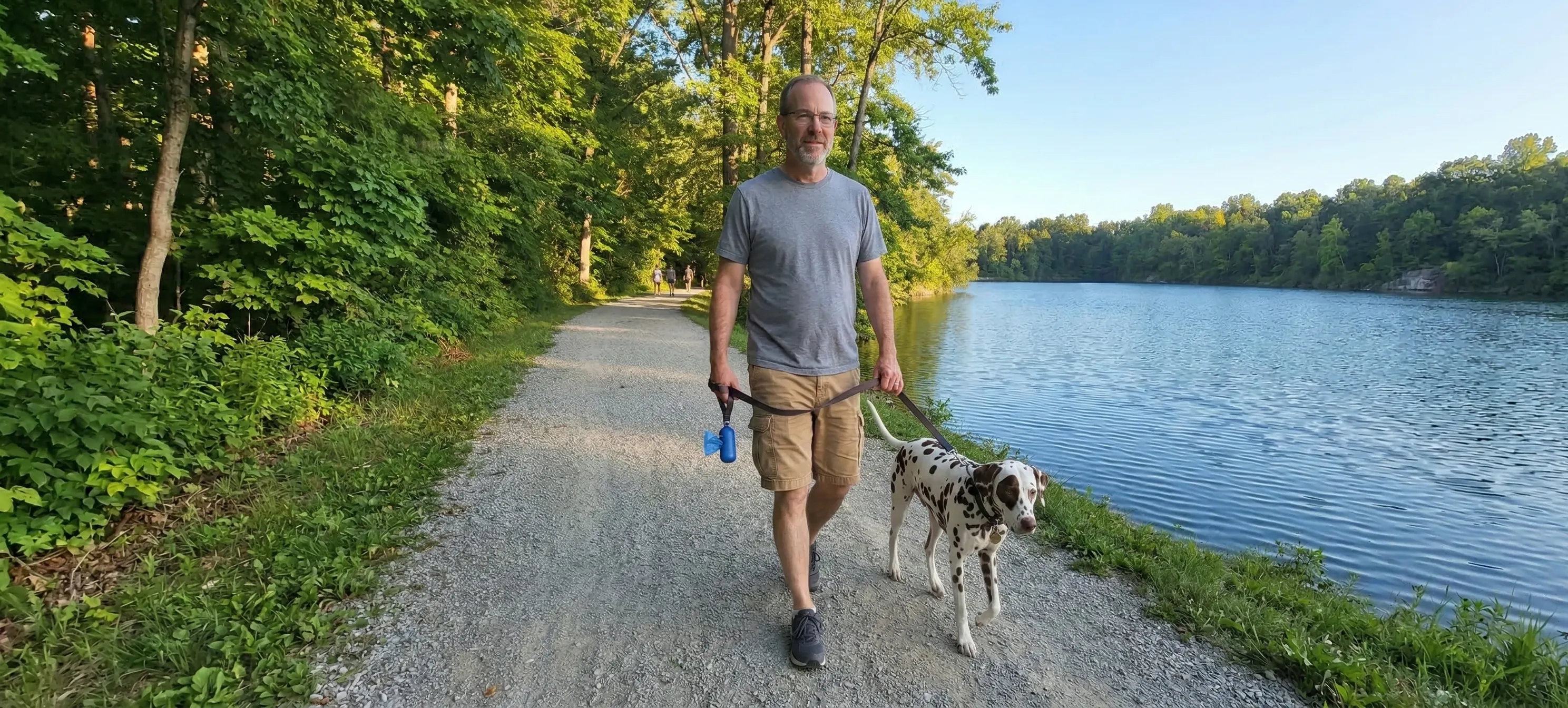
I grew up in Youngstown. I live in Columbus with my partner Rosa, our kid, and a dog named Cyber. I still weave websites. Still type them by hand. Still host it on my own domain.
Some habits you keep because they matter.
See the platform